Published : 2025-12-01
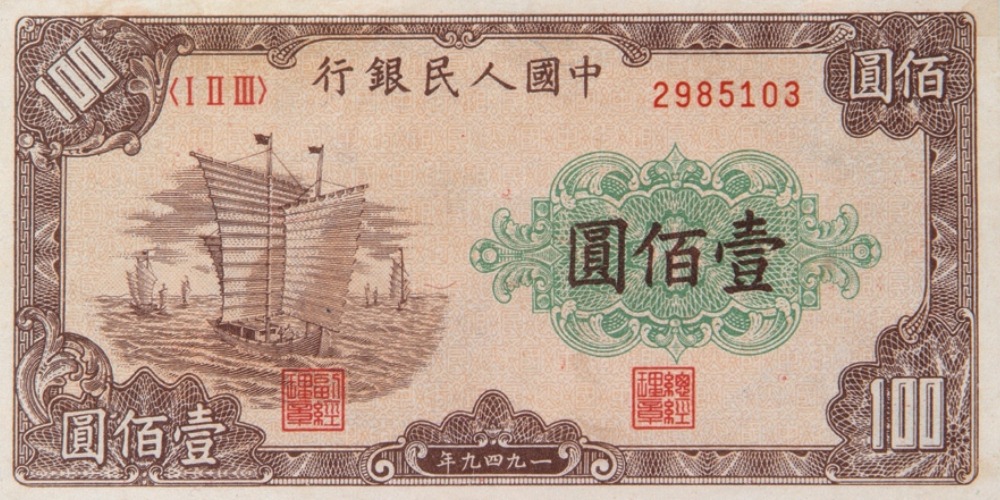
On 1 December 1948, the People's Bank of China was established and issued the first series of Renminbi.
The first series of Renminbi was printed and issued in a total of 12 denominations and 62 versions. The smallest denomination was 1 yuan, and the largest denomination was 50,000 yuan.
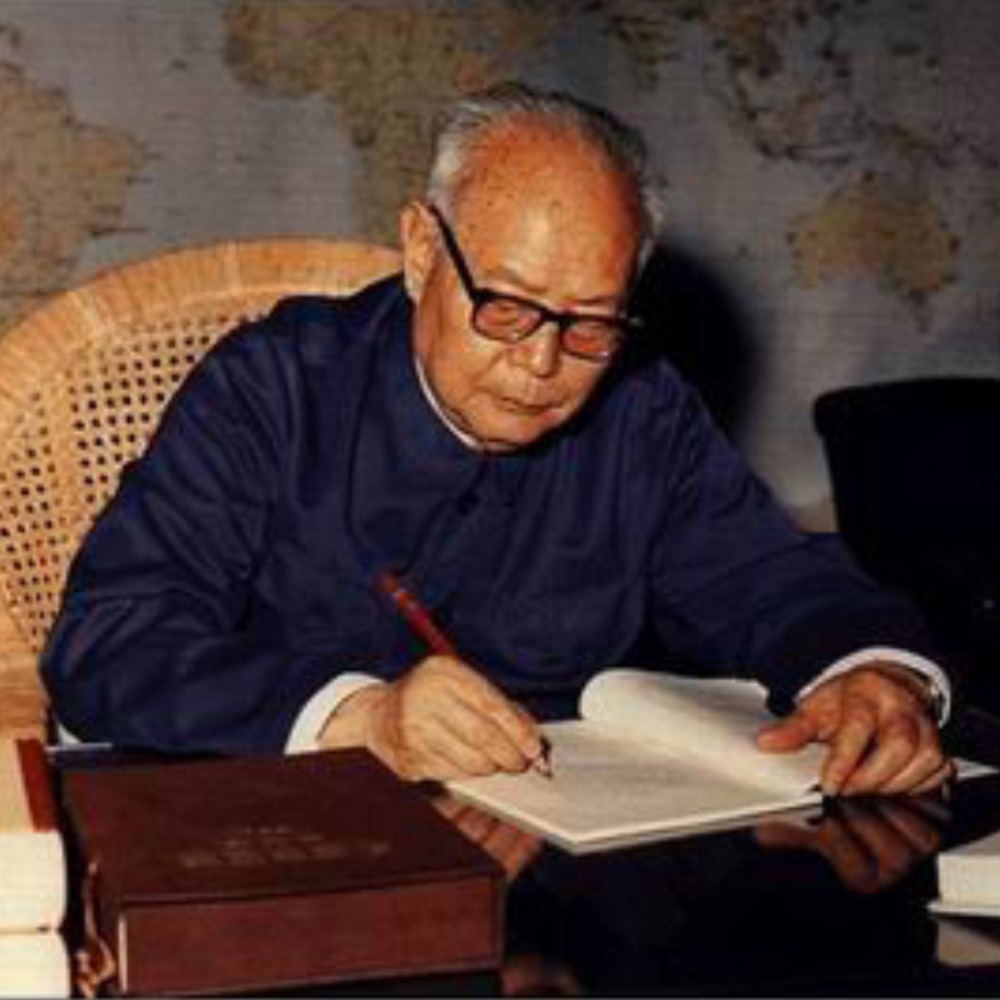
The characters "People's Bank of China" on the Renminbi were inscribed by Dong Biwu (董必武), the then-Chairman of the North China People's Government.
The designs on this series of Renminbi were mainly derived from the production and construction situation in the "Liberated Areas" at that time.
Among the 62 versions, apart from some notes that featured famous scenic spots and historical sites as their theme, such as the Great Wall, the Summer Palace, Zhengyangmen, Xinhua Gate, and the Qiantang River Bridge, the designs on most of the remaining notes all depicted scenes of industrial and agricultural production and labour, such as weaving, steelmaking, ploughing, autumn harvesting, and shepherding.
The figures were basically images of workers and peasants.
On 10 May 1955, the first series of Renminbi was withdrawn from circulation and was replaced by the second series of Renminbi, which had been issued on 1 March of the same year. 1 yuan of the second series of Renminbi was equivalent to 10,000 yuan of the first series of Renminbi.